How To Check Your Child For Cancer : How Do You Tell Your Kid You Have Cancer Baheya Hospital - The pathologist describes the findings in a pathology report, which contains details about your diagnosis.. Your child may get more than one type of treatment. All biopsy samples and fluids are looked at by a pathologist (a doctor with special training in using lab tests to identify cancer cells). Your child is having treatment for cancer. Your child's doctor may refer you to a pediatric oncologist, a doctor who specializes in childhood cancers (including leukemias), to have some of these tests done. They say that your child should see a specialist within 2 weeks of going to the gp if they have any symptoms that could be due to cancer.
Examine your body front and back in the mirror, then look at the right and left sides with your arms raised. Try to lay the groundwork for an open line of communication with the child—a way for the child to come to you with their concerns, needs, and fears. Other examples of symptoms that might indicate a childhood cancer include: The doctor uses a microscope to look at the size and shape of the cells and how they are arranged. An unusual lump or swelling unexplained paleness and loss of energy
Managing Your Cancer Leukemia And Lymphoma Society from www.lls.org Finding breast cancer early means that you have the best chance to treat and cure your cancer, says fishman. Others could possibly be harmful. Get answers to commonly asked questions from parents and children. Your child is having treatment for cancer. Talk to your child's doctor about any changes you've noticed. Risk factors for breast cancer in children, adolescents , and young adults include the following: If the doctor thinks your child might have leukemia, blood and bone marrow samples will need to be checked to be sure. The doctor first numbs an area in the lower part of the back over the spine.
Pregnancy can also sometimes reveal cancer.
Tips for talking with your child about his or her cancer. Your child's health care provider may need to follow your child closely during treatment. Some of the tests doctors use to find cancer are safe during pregnancy and for the fetus. Your child may get more than one type of treatment. An unusual lump or swelling unexplained paleness and loss of energy Whether you or someone you love has cancer, knowing what to expect can help you cope. Look at your face, neck, and ears in the mirror. Look at your legs, between toes, and soles of your feet Read about your child's type of cancer. And with some symptoms, they should have a test, such as a blood test, within 48 hours. If it is helpful, you can ask for copies of test and lab results. They say that your child should see a specialist within 2 weeks of going to the gp if they have any symptoms that could be due to cancer. Your child is having treatment for cancer.
Call the american cancer society or other reliable sources for more information about diagnosis and treatment. When a child has been diagnosed with cancer, parents need practical advice and information. If your child has a type that is uncommon or hard to treat, it can help to go to a doctor who. A pathologist looks at the tissue under a microscope and runs other tests to see if the tissue is cancer. Some symptoms might mean your child is referred to a specialist immediately.
Managing Your Cancer Leukemia And Lymphoma Society from www.lls.org Get answers to commonly asked questions from parents and children. Ask for advice from your child's health care team or another parent who has been in a similar position. If it is helpful, you can ask for copies of test and lab results. Regularly check in with each child during and after the cancer treatment, it can be a great comfort to them. If the doctor thinks your child might have leukemia, blood and bone marrow samples will need to be checked to be sure. Your child's doctor may refer you to a pediatric oncologist, a doctor who specializes in childhood cancers (including leukemias), to have some of these tests done. Read about your child's type of cancer. Examine your body front and back in the mirror, then look at the right and left sides with your arms raised.
Whether you or someone you love has cancer, knowing what to expect can help you cope.
This group is led by an oncology social worker who provides emotional and practical support. Pregnancy can also sometimes reveal cancer. Check for any swelling on the scrotal skin. And with some symptoms, they should have a test, such as a blood test, within 48 hours. It's good to be aware of what your body is normally like, so it's easier to notice if anything changes. Get answers to commonly asked questions from parents and children. Your child's doctor may refer you to a pediatric oncologist, a doctor who specializes in childhood cancers (including leukemias), to have some of these tests done. Learn how to talk with your child and their siblings about cancer. Children often get sick or have bumps or bruises that might mask the early signs of cancer. These help doctors learn more about your child's cancer and guide treatment decisions.it is common for both children and parents to feel anxiety about tests and procedures. If you have a family history of skin cancer, it's likely that your child needs to be checked as well. Finding breast cancer early means that you have the best chance to treat and cure your cancer, says fishman. Alterations in normal tissue may identify children who would benefit from cancer screening and may inform individually tailored treatment.
Some of the tests doctors use to find cancer are safe during pregnancy and for the fetus. Call the american cancer society or other reliable sources for more information about diagnosis and treatment. Risk factors for breast cancer in children, adolescents , and young adults include the following: Use a comb or a hair dryer on a cool setting to move your hair so that you can see your skin better. It's good to be aware of what your body is normally like, so it's easier to notice if anything changes.
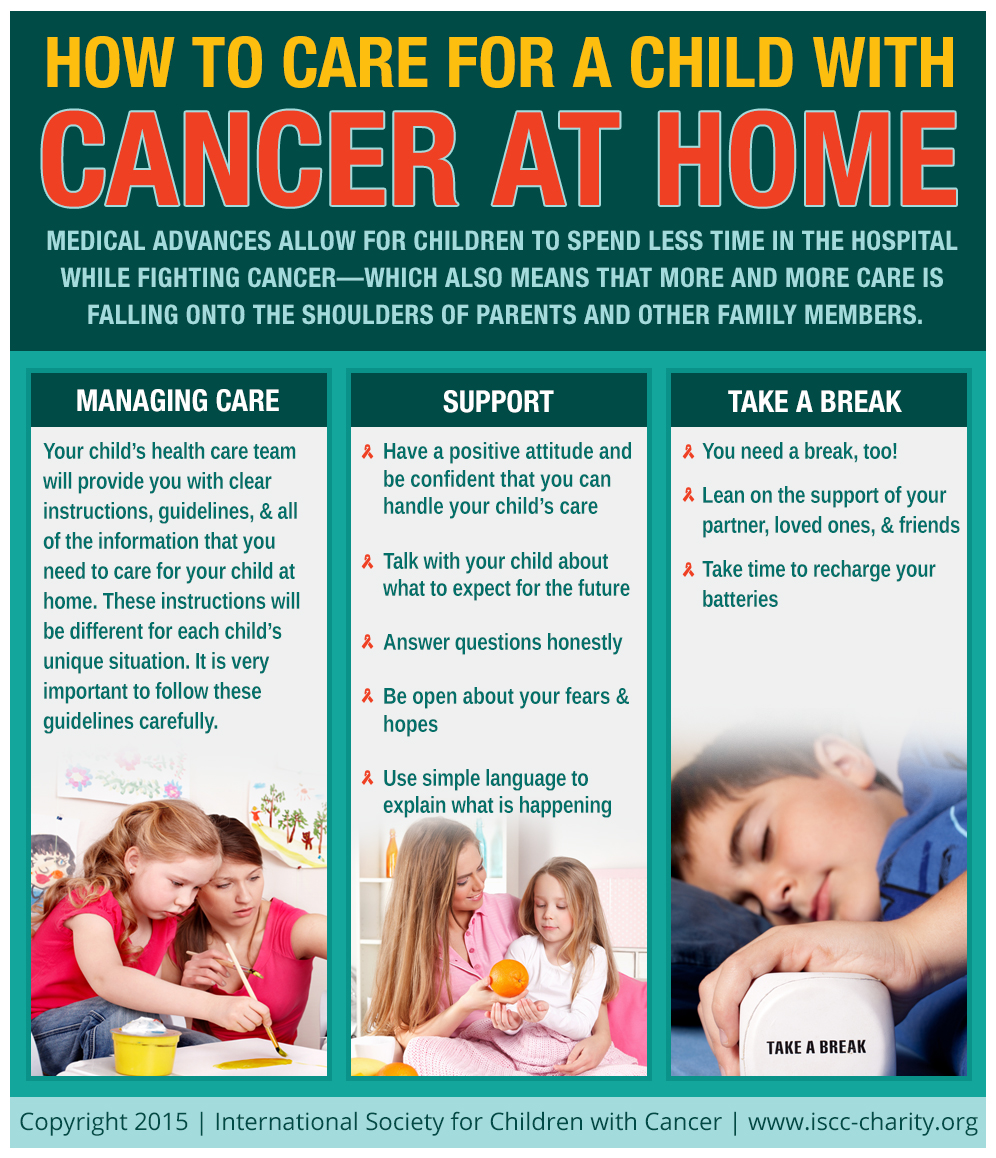
How To Care For A Child With Cancer At Home By International Society For Children With Cancer International Society For Children With Cancer from iscc-charity.org Cancer in children is not common, but it's important to have your child checked by a doctor if they have unusual signs or symptoms that do not go away, such as: A biopsy is a procedure in which the doctor removes a sample of tissue. When you first talk with your child, consider asking another person to be with you. It's good to be aware of what your body is normally like, so it's easier to notice if anything changes. And with some symptoms, they should have a test, such as a blood test, within 48 hours. The symptoms of cancer depend on the type of cancer, where the cancer is, how big it is, and how much it affects other parts of your child's body. Children often get sick or have bumps or bruises that might mask the early signs of cancer. A pathologist looks at the tissue under a microscope and runs other tests to see if the tissue is cancer.
Look at your face, neck, and ears in the mirror.
Read about your child's type of cancer. Then, check your upper body. Your child will likely have many medical tests and procedures. Call the american cancer society or other reliable sources for more information about diagnosis and treatment. Look at your legs, between toes, and soles of your feet Tips to help you talk with your child's doctor, during treatment, are included. Some symptoms might mean your child is referred to a specialist immediately. Your child's health care provider may need to follow your child closely during treatment. The doctor will ask questions about your child's symptoms and do a physical exam. Look at your underarms, forearms, and palms bend elbows and look carefully at forearms, underarms, and palms. If you have a family history of skin cancer, it's likely that your child needs to be checked as well. Look and feel for any hard lumps or nodules (smooth rounded masses) or any change in the size, shape, or consistency of your testicles. Talk to your child's doctor about any changes you've noticed.