What Are The First Symptoms Of Cervical Cancer - 6 Signs Of Cervical Cancer Every Woman Should Know ... - In the early stages of cervical cancer, women typically have no symptoms.. When the cervix swells it can lead to an obstructed blood flow, which eventually causes the leg to swell and gives a sore, painful sensation. The symptoms of cervical cancer differ from person to person, so it's hard to pinpoint a typical first sign. Early stages of cervical cancer do not involve pain or other symptoms. The first identifiable symptoms of cervical cancer are likely to include: The earliest sign is likely to be an abnormal pap smear detected during a routine gynecologic examination.
Some of the most typical symptoms are as follows: You may also experience other common symptoms of anemia, such as shortness of breath after mild exertion, headaches, dizziness or fainting, concentrating problems, cold extremities, frequent colds, and pale skin, lips, and nails. Feeling full too quickly or difficulty eating, bloating, and abdominal or back pain are common only for ovarian cancer. The first identifiable symptoms of the disease are likely to include: The earliest sign is likely to be an abnormal pap smear detected during a routine gynecologic examination.
8 Early Warning Signs of Cervical Cancer from cdn.powerofpositivity.com Routine pap screening is important to check for abnormal cells in the cervix, so they may be monitored and treated as early as possible. Any of the following could be signs or symptoms of cervical cancer: Early symptoms of cervical cancer. Cervical cancer is one of the most common forms of gynecologic cancers, with 6 in 1,000 women receiving a cervical cancer diagnosis at some point in their lifetime.in 2020, american cancer society's estimates there were an estimated 14,000 new cases of invasive cervical cancer diagnosed in the united states. There will usually be other cervical cancer red flags before pelvic pain occurs. Anemia is a common symptom of abnormal bleeding, which is also a cause of cervical cancer. That said, the most common symptom of early stage cervical cancer is unusual bleeding. You may also experience other common symptoms of anemia, such as shortness of breath after mild exertion, headaches, dizziness or fainting, concentrating problems, cold extremities, frequent colds, and pale skin, lips, and nails.
Symptoms often do not begin until the cancer becomes larger and grows into nearby tissue.
Any of the following could be signs or symptoms of cervical cancer: The most common places for cervical cancer to spread is to the lymph nodes, liver, lungs and bones. Symptoms if cancer has spread to the lymph nodes. This condition can be overcome when discovered at an early stage, through a pap smear examination. The first identifiable symptoms of the disease are likely to include: Here are early symptoms of cervical cancer you should know. Routine pap screening is important to check for abnormal cells in the cervix, so they may be monitored and treated as early as possible. Lymph nodes are part of a system of tubes and glands in the body that filters body fluids and fights infection. That said, the most common symptom of early stage cervical cancer is unusual bleeding. Some women exhibiting early stages of cervical cancer experience swelling and pain in the leg. But don't rely on physical symptoms alone as cancer warning signs. Trouble eating or feeling full quickly. The most common signs include:
The most common and fearsome type of cancer among women is also one of the most highly preventable and treatable forms of cancer.cervical cancer screenings have saved thousands of lives by diagnosing alterations early enough to start an effective treatment. The symptoms of cervical cancer differ from person to person, so it's hard to pinpoint a typical first sign. Cervical cancer is cancer that begins when cells lining the cervix, the lower part of the uterus (womb), become abnormal and grow out of control. Early on, cervical cancer may not cause signs and symptoms. In the first stage of cervical cancer, the cancer is localized to the cervix and has not spread to nearby tissues or other organs.
11 Warning Signs and Symptoms of Cervical Cancer. - YouTube from i.ytimg.com There will usually be other cervical cancer red flags before pelvic pain occurs. Lymph nodes are part of a system of tubes and glands in the body that filters body fluids and fights infection. Most women are advised to schedule a pap test starting at age 21. Early stages of cervical cancer do not involve pain or other symptoms. Cervical cancer is cancer that begins when cells lining the cervix, the lower part of the uterus (womb), become abnormal and grow out of control. Blood spots or light bleeding between or following periods menstrual bleeding that is longer and heavier than usual bleeding after intercourse, douching, or a pelvic examination Cervical cancer is one of the main cancers of the female reproductive organs. You may also experience other common symptoms of anemia, such as shortness of breath after mild exertion, headaches, dizziness or fainting, concentrating problems, cold extremities, frequent colds, and pale skin, lips, and nails.
The most common symptoms include:
The most common places for cervical cancer to spread is to the lymph nodes, liver, lungs and bones. Some of the most typical symptoms are as follows: But don't rely on physical symptoms alone as cancer warning signs. Cervical cancer occurs when abnormal cells grow out of control. Vaginal bleeding that occurs between menstrual periods or after menopause Other health conditions can cause the same symptoms as cervical cancer. In the first stage of cervical cancer, the cancer is localized to the cervix and has not spread to nearby tissues or other organs. The signs or symptoms of cervical cancer include: Early symptoms of cervical cancer. If you have any of these signs, see your doctor. Any of the following could be signs or symptoms of cervical cancer: There will usually be other cervical cancer red flags before pelvic pain occurs. Abnormal vaginal bleeding, such as after intercourse, between menstrual periods, or after menopause;
Feeling full too quickly or difficulty eating, bloating, and abdominal or back pain are common only for ovarian cancer. The most common signs include: Blood spots or light bleeding between or following periods menstrual bleeding that is longer and heavier than usual bleeding after intercourse, douching, or a pelvic examination Anemia is a common symptom of abnormal bleeding, which is also a cause of cervical cancer. Any of the following could be signs or symptoms of cervical cancer:
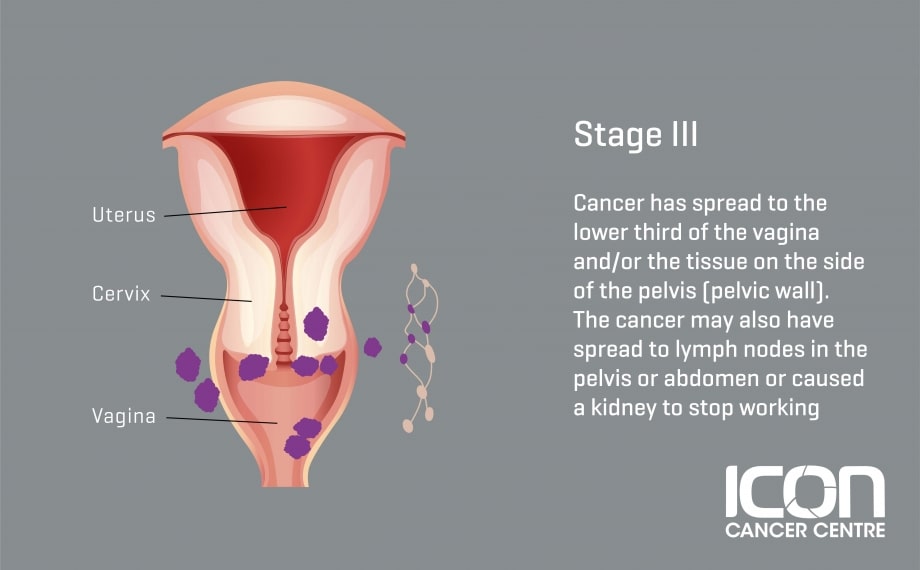
What is Cervical Cancer? Cervical Cancer Explained — Icon ... from iconcancercentre.com.au The stage of a cancer is based on how big a tumor is and whether it has spread. Vaginal bleeding that occurs between menstrual periods or after menopause More than 12,000 women are diagnosed each year with invasive cervical cancer, according to the american cancer society. The most common and fearsome type of cancer among women is also one of the most highly preventable and treatable forms of cancer.cervical cancer screenings have saved thousands of lives by diagnosing alterations early enough to start an effective treatment. When this happens, the most common symptoms are: The earliest sign is likely to be an abnormal pap smear detected during a routine gynecologic examination. Watery or bloody vaginal discharge which may be heavy and can have a foul odor. Watery, bloody vaginal discharge that may be heavy and have a foul odor;
There will usually be other cervical cancer red flags before pelvic pain occurs.
Table showing the symptoms of cervical, ovarian, uterine, vaginal, and vulvar cancers. The most common places for cervical cancer to spread is to the lymph nodes, liver, lungs and bones. Watery, bloody vaginal discharge that may be heavy and have a foul odor; Early signs of cervical cancer at the point when abnormal cells in the cervix bind together and form tumors, cervical cancer symptoms may become apparent. The first identifiable symptoms of cervical cancer are likely to include: Watery or bloody vaginal discharge which may be heavy and can have a foul odor. Because it can stay hidden, it's important to start getting regular cervical cancer screening at age 21, regardless of how old you were when you first had sexual intercourse. Abnormal vaginal bleeding, such as after intercourse, between menstrual periods, or after menopause; Cervical cancer is one of the most common forms of gynecologic cancers, with 6 in 1,000 women receiving a cervical cancer diagnosis at some point in their lifetime.in 2020, american cancer society's estimates there were an estimated 14,000 new cases of invasive cervical cancer diagnosed in the united states. When this happens, the most common symptoms are: Trouble eating or feeling full quickly. Feeling full too quickly or difficulty eating, bloating, and abdominal or back pain are common only for ovarian cancer. The signs or symptoms of cervical cancer include: